Rail Bolt Wrench

Rail Bolt Wrench

Overview

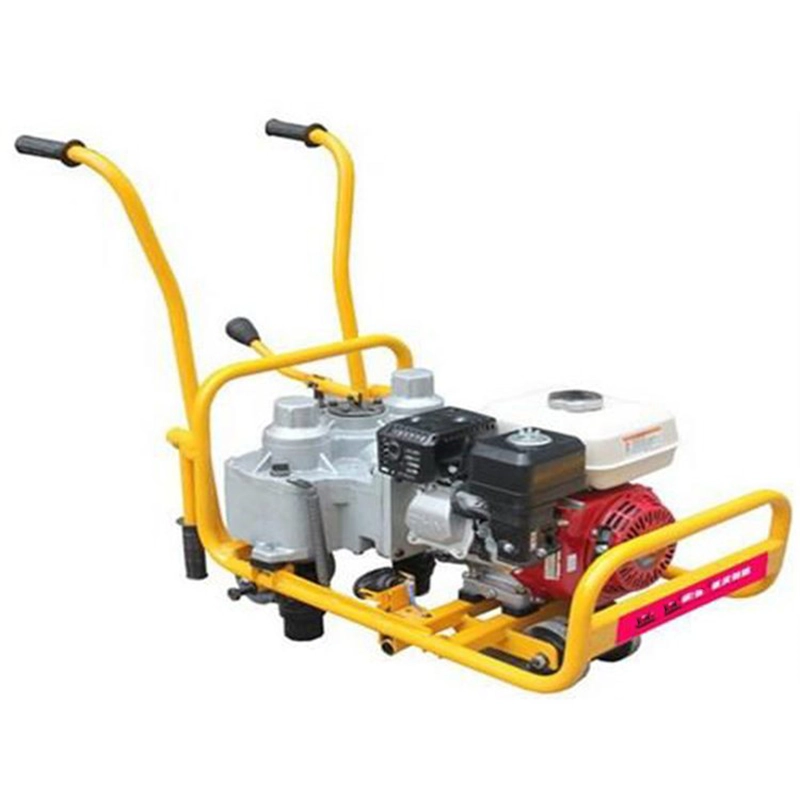
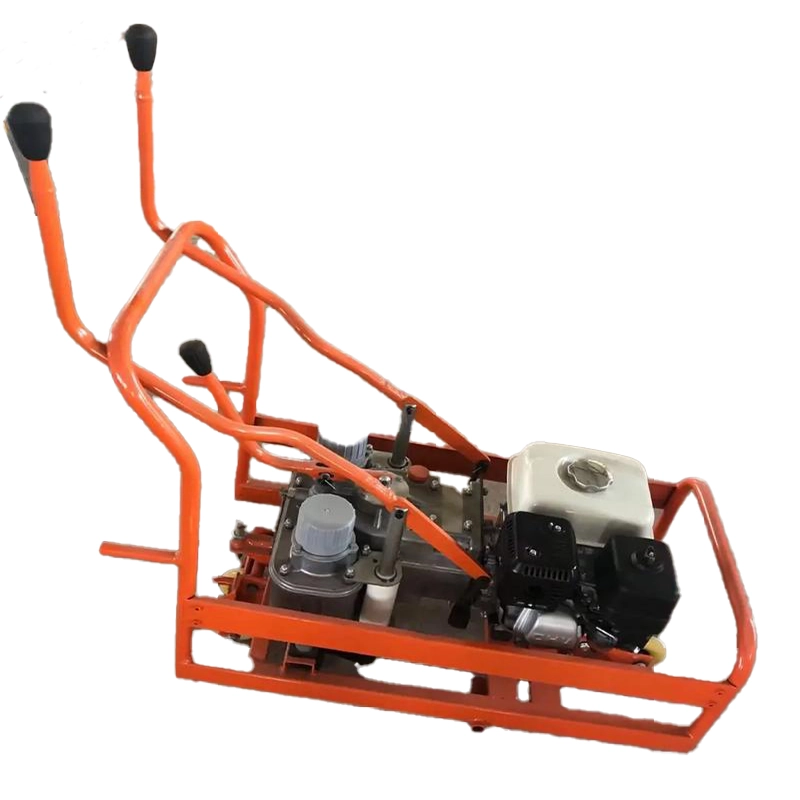
The rail bolt wrench powered by a gasoline engine is a highly portable solution for bolt tightening and removal in off-grid or emergency field conditions. This page consolidates key models, technical specs, application scenarios and selection guidance for procurement and field operations.

Key Points

  • No external power required — ideal for open-pit mines, mainline railway work and remote sites.

  • High torque output suitable for common rail bolt sizes (M24–M30).

  • Portable design for rapid on-site operations and reduced downtime.

  • Complements pneumatic and hydraulic solutions: gasoline models for power-free sites, pneumatic for explosion-proof underground, hydraulic for ultra-precise torque control.

Models & Specifications

NJB-600-1A railroad bolt machine
NLB-600 rail bolt wrench
bk30 rail bolt wrench
KET-MXTA rail bolt wrench

Product Details

Internal Combustion (Gasoline) — Features

Portable and self-powered — ideal for remote/off-grid jobs. Compared with pneumatic/hydraulic systems, gasoline models enable independent field operation but require fuel maintenance and generate higher noise. NJB-600-1/A offers 600–1200 N·m torque for common rail bolts; NLB-600 combines hydraulic actuation with portable mobility for confined underground maintenance.

Typical Accessories

Interchangeable sockets and drive heads, spare fuel can, portable tool kit, muffler (noise reduction), auto-alignment guide sleeve, spare belts/filters.

How to Choose?                   Quick Guide

  1. Worksite: No power/remote → gasoline; explosive underground → pneumatic; for highest torque accuracy → hydraulic.

  2. Bolt size: For M24–M30, choose NJB/NLB series; for much larger sizes (up to M60 and above), consider hydraulic solutions.

  3. Portability vs Accuracy: Prioritize gasoline for mobility and rapid response; choose hydraulic for ±3% torque precision and repeatability.

  4. Maintenance / Spare Parts: For long remote deployments, ensure fuel, filters and mufflers are readily available.

Safety & Maintenance

Pre-shift checks: fuel, engine oil, air filter; inspect muffler and exhaust.
PPE: safety glasses, hearing protection and gloves; keep away from open flames and combustible materials.
Regular torque calibration (critical for precision tasks) and maintenance logs.
For underground use, comply with mine explosion-proof and safety regulations — prefer pneumatic where required.
FAQs

Q:How to quickly troubleshoot when there is a failure to start or insufficient torque?

A: 1) Check fuel level; 2) inspect spark plug/ignition; 3) check air filter for blockage; 4) inspect drive coupling/socket slippage or wear; 5) for hydraulic drives check pressure and for leaks. For complex faults stop operation and contact service.

A: Warranty and service terms depend on the supplier/manufacturer. Common warranties are 12 months (or by operating hours) with spare parts and field support available. Confirm exact terms at purchase.

A: ① Environment: explosive risk → pneumatic; no power → gasoline; high precision → hydraulic. ② Bolt size: M24–M30 → NJB/NLB; larger sizes → hydraulic. ③ Consider portability and spare-parts availability before finalizing the model.

滚动至顶部